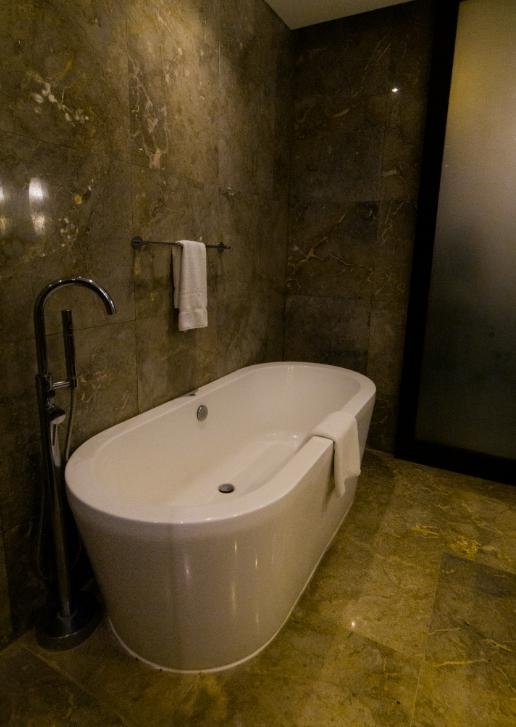
Introduction to Freestanding Tubs
Freestanding tubs have gained significant traction in modern bathroom designs, becoming a focal point that enhances aesthetic appeal and functionality. Their unique, stand-alone design offers an elegant upgrade from traditional built-in options, allowing homeowners to create a spa-like experience right in their own homes. These tubs come in various shapes, sizes, and styles, making them a versatile choice for any bath decor.
The rise in popularity of freestanding tubs can be attributed to several factors. Firstly, their design can serve as a statement piece, contributing to the overall ambiance of a bathroom. Whether styled in contemporary, vintage, or minimalist decor, freestanding tubs can seamlessly integrate into diverse spaces, providing both a functional and visually striking element. Additionally, the luxury of being able to soak in a tub without constraints often elevates one’s bathing experience, allowing for ultimate relaxation.
However, selecting the right freestanding tub is not solely about aesthetics. One must consider material choice, which plays a significant role in the tub’s durability, maintenance, and comfort. Various materials such as acrylic, cast iron, and stone offer differing benefits, influencing how well a tub withstands regular use and maintains its appearance over time. Understanding the pros and cons of each material is crucial, not only for enhancing the bath’s visual appeal but also for ensuring long-term functionality and satisfaction.
As the demand for freestanding tubs continues to rise, addressing material selection will be essential for homeowners seeking to create the perfect bathing sanctuary. By understanding the intricacies involved in material choices, individuals can make informed decisions that align with their design aspirations and practical needs.
Common Materials Used for Freestanding Tubs
Freestanding tubs have gained significant popularity due to their aesthetic appeal and versatility in bathroom design. One of the most critical factors to consider when choosing a freestanding tub is the material it is constructed from. Various materials offer different benefits and drawbacks, which can affect both comfort and the overall look of the tub.
Acrylic is among the most commonly used materials for freestanding tubs. This material is lightweight, making it easy to install and move. Acrylic tubs are also available in a wide range of shapes and sizes, allowing homeowners to select designs that best fit their spatial requirements. In addition, acrylic has excellent insulation properties, helping to retain heat during baths, which enhances the overall bathing experience.
Cast iron is another popular choice for freestanding tubs, known for its durability and classic appeal. Cast iron tubs are coated with enamel, providing a smooth finish that is both attractive and easy to clean. These tubs are excellent at retaining heat, although their heavyweight can complicate installation and transportation.
Fiberglass is a less common, yet affordable option. Similar to acrylic, fiberglass is lightweight and easy to mold into various shapes. It is also resistant to chipping and cracking, although its heat retention is not as effective as that of acrylic or cast iron. Over time, fiberglass may yellow or require more frequent cleaning.
Another interesting option is stone, which offers a natural and luxurious aesthetic. Stone tubs are solid and can add elegance to any bathroom. However, they are often quite heavy and may require additional structural support. Additionally, the cost of stone tubs can be significantly higher than other materials.
Composite materials blend various elements to create freestanding tubs that mimic the appearance of more expensive materials while remaining lightweight and durable. These tubs can be a compelling choice for homeowners seeking a balance between style and practicality.
Acrylic Tubs: Benefits and Drawbacks
Acrylic tubs have emerged as a popular choice among homeowners seeking a freestanding bathtub, primarily due to their lightweight nature and thermal properties. One of the significant benefits of acrylic is its ease of installation, as it weighs considerably less than alternatives like cast iron or stone. This characteristic not only simplifies transportation but also reduces strain on floor structures, making it suitable for various home settings.
Moreover, acrylic bathtubs retain heat efficiently, providing a warm and comfortable bathing experience. The smooth, non-porous surface of acrylic allows for easy cleaning and upkeep, ensuring that the tub maintains its aesthetic appeal over time. Despite the advantages, there are certain considerations to keep in mind when choosing acrylic tubs. One notable drawback is their susceptibility to scratching and denting. While many acrylic tubs are manufactured with reinforced surfaces, everyday usage can still lead to minor damages if not handled carefully. Users should be mindful of sharp objects and abrasive cleaners that may compromise the surface integrity.
Another concern is discoloration over time. While acrylic is known for its durable finish, exposure to harsh chemicals and prolonged sunlight can cause fading or yellowing. To mitigate these issues, it is advisable to select a high-quality acrylic tub and follow proper care instructions, which often include using gentle cleansers and avoiding direct sun exposure. Understanding these advantages and drawbacks is critical for homeowners to make an informed decision when considering an acrylic freestanding tub as part of their bathroom design.
Cast Iron Tubs: Durability and Classic Appeal
Cast iron tubs have long been a favored choice in the realm of freestanding bathtubs, known not only for their exceptional durability but also for their timeless elegance. Constructed from cast iron coated with enamel, these tubs provide a luxurious bathing experience while ensuring lasting performance. One of the standout features of cast iron is its robustness; it can withstand significant wear and tear, making it an impeccable option for households with high usage demands.
In addition to their durability, cast iron tubs exhibit remarkable insulative properties. This means that they maintain water temperature longer than many other materials, allowing for a more enjoyable and relaxing bath. Homeowners can take comfort in knowing that the hot water remains hot, enhancing the overall bathing experience. Furthermore, the smooth enamel surface is easy to clean and helps prevent the buildup of bacteria, contributing to a more hygienic bathing environment.
However, the benefits of cast iron tubs come with certain considerations. Notably, they are considerably heavier than their counterparts, such as acrylic or fiberglass tubs. This additional weight necessitates a strong floor structure to support it, which could lead to increased installation costs if modifications are required. Additionally, cast iron tubs tend to come with a higher price tag, reflecting their quality and longevity. While the initial investment may be daunting, many view it as a worthwhile expenditure due to the long-term benefits and aesthetic appeal.
Maintenance is also a key factor to consider. Although the enamel finish resists staining, it is not impervious to chipping or scratching over time. Care must be taken to use non-abrasive cleaners to preserve the tub’s integrity. Overall, cast iron tubs represent a blend of durability and classic aesthetic that enhances both the functionality and visual appeal of the bathroom.
Fiberglass Tubs: Cost-Effectiveness and Variety
Fiberglass tubs have gained significant popularity in modern bathrooms due to their cost-effectiveness and extensive variety in design. One of the primary advantages of fiberglass as a material is its affordability. Compared to traditional materials such as cast iron or acrylic, fiberglass is generally less expensive to manufacture and purchase, making it an attractive option for homeowners on a budget. This cost factor allows individuals to allocate their resources towards other bathroom enhancements, improving overall aesthetics and functionality.
The variety of fiberglass tubs available in the market is another compelling reason for their popularity. These tubs come in a multitude of shapes, sizes, and colors, catering to diverse preferences and design schemes. From sleek, minimalist designs to more ornate and luxurious options, fiberglass provides versatility that allows it to seamlessly fit into various bathroom layouts. Whether one is aiming for a contemporary or a classic look, there is likely a fiberglass tub that aligns with each individual’s vision.
In terms of installation, fiberglass tubs are often noted for their ease of fitting. Generally, they are lightweight, making them simpler to transport and maneuver during the installation process. This lightweight nature can be particularly beneficial in renovation projects, where extensive structural changes are undesirable. While fiberglass does have many advantages, it is essential to compare its durability with that of other materials. Fiberglass is durable, but it may not possess the same level of sturdiness as cast iron or acrylic tubs. Over time, fiberglass may be prone to scratches and discoloration, which necessitates regular cleaning and maintenance to preserve its appearance.
Ultimately, fiberglass tubs offer a blend of affordability, aesthetic options, and installation convenience, making them a worthwhile consideration for many homeowners. Understanding the specific needs for durability and maintenance can help make an informed decision about whether fiberglass is the right material for their bathing experience.
Natural Stone Tubs: Luxury and Aesthetics
Natural stone tubs, including those crafted from marble and granite, embody luxury and sophistication within any bathing space. Known for their unmatched beauty, these tubs provide a unique aesthetic that naturally elevates the ambiance of a bathroom. Each stone tub is distinct, featuring its own intricate patterns and colors, which ensures that no two installations are alike. This exclusivity is one of the primary reasons homeowners and designers alike gravitate toward natural stone as a material of choice for a freestanding tub.
Along with their striking appearance, natural stone tubs also offer durability that is hard to match. Materials like granite are known for their resistance to chips and scratches, extending the lifespan of the tub. However, despite their long-lasting qualities, these stone tubs require a certain level of maintenance to preserve their pristine appearance. It is essential to apply sealants periodically to protect against staining and water damage, which can compromise the tub’s surface over time. Regular cleaning with appropriate, non-abrasive products will help maintain the stones’ natural luster.
While natural stone is a popular choice for its visual appeal, potential buyers should also consider the practical aspects associated with installation. One significant challenge is the weight of the material; natural stone tubs are considerably heavier than other types of tubs, which necessitates a reinforced floor to support their weight. Additionally, professional installation is often recommended to ensure proper positioning and to avoid structural issues. These factors can add to the overall cost of ownership, but for many, the luxurious feel and striking aesthetics of natural stone are well worth the investment.
Composite Tubs: Innovation in Design and Performance
Composite tubs have emerged as a popular choice in modern bathroom design, providing a unique blend of materials that enhance both functionality and aesthetics. These tubs are crafted from a mixture of materials, such as acrylic and fiberglass, which contribute to their lightweight nature and versatility in terms of design. The innovative engineering behind composite tubs allows for the creation of sleek forms and elegant styles that can complement any bathroom decor.
One of the notable advantages of composite tubs is their scratch resistance. Unlike traditional materials, which may show signs of wear over time, composite surfaces are designed to withstand daily use while maintaining their pristine appearance. This durability makes them a practical option for households with high-traffic bathrooms, where scratches and scuffs are more likely to occur. Additionally, the non-porous surface of composite tubs prevents the growth of mold and mildew, promoting a healthier bathing environment.
Weight is another significant benefit of composite tubs. Due to their lighter construction, they are easier to install and often require less structural reinforcement than heavier materials like cast iron or stone. This feature is especially beneficial for homeowners who may be concerned about the weight load on their bathroom floors. Furthermore, the installation process can be less labor-intensive, potentially reducing overall renovation costs.
While composite tubs offer numerous advantages, it is essential to consider potential downsides. For instance, although they are designed for longevity, high-temperature exposure or certain harsh cleaning agents can affect their surface over time. Additionally, some users may prefer the more substantial feel of traditional materials. Despite these considerations, the benefits of composite tubs often outweigh the negatives, making them a noteworthy option for contemporary bathrooms.
Making the Right Choice for Your Bathroom
Choosing the right material for your freestanding tub is a crucial decision that directly impacts both the aesthetic and functionality of your bathroom. Several factors should be taken into account to ensure the selected tub meets your personal needs and fits seamlessly with your bathroom specifications. Firstly, budgetary constraints play an essential role in determining the material. Options range from high-end materials like natural stone and acrylic to more economical choices such as fiberglass or enameled steel. Understanding your financial limits will guide you in selecting a tub that provides value while meeting your design goals.
Design preference is another vital consideration. Freestanding tubs come in various styles and finishes, and each material offers a unique look and feel. For instance, a cast iron tub imparts a classic, timeless appearance, while an acrylic option might lend a modern vibe. The aesthetic appeal of the tub should align with the overall theme of your bathroom, be it contemporary, traditional, or somewhere in between. Additionally, consider the color and texture of the materials, as these elements can significantly affect room ambiance.
Maintenance requirements should not be overlooked, as different materials demand varying levels of care. For example, acrylic tubs are usually easier to clean and maintain, while natural stone materials can require more intricate upkeep. Installation challenges can also influence your decision, particularly if you are considering DIY installation. Some heavy materials, such as cast iron, may necessitate professional assistance due to their weight and specific installation requirements. By evaluating these factors—budget, design, maintenance, and installation—you can make an informed choice that perfectly complements your bathroom and suits your personal preferences.
Conclusion: Finding Your Dream Freestanding Tub
Choosing the best material for your freestanding tub is a critical step in enhancing your bathroom experience. As discussed throughout this comprehensive guide, each material—whether acrylic, cast iron, or stone—comes with its unique set of benefits and drawbacks. Understanding these characteristics can greatly influence your decision-making process.
For instance, if you prioritize warmth and shine, acrylic may be the ideal choice for you. This material is light, easy to maintain, and available in various styles. On the other hand, cast iron offers exceptional durability and a classic aesthetic, but it requires a sturdy foundation due to its weight. Similarly, natural stone options provide a luxurious ambiance but can be more susceptible to damage if not properly cared for. By evaluating these materials against your personal preferences and bathroom design, you can ensure that your chosen tub aligns with your expectations.
In addition to the material considerations, think about your specific needs—whether you require a spacious tub for relaxation, easy access for bathing, or a design that harmonizes with your overall décor. The perfect freestanding tub should cater to both functionality and aesthetics. Therefore, it is essential to consider these factors thoroughly in your selection process.
Finally, by reflecting on your priorities in terms of maintenance, comfort, and style, you will be well-positioned to find your dream freestanding tub. The right tub not only enhances your bathroom’s appearance but also transforms your bathing ritual into an enjoyable escape. Take your time to make an informed decision, allowing you to indulge in a delightful and fulfilling bathing experience for years to come.