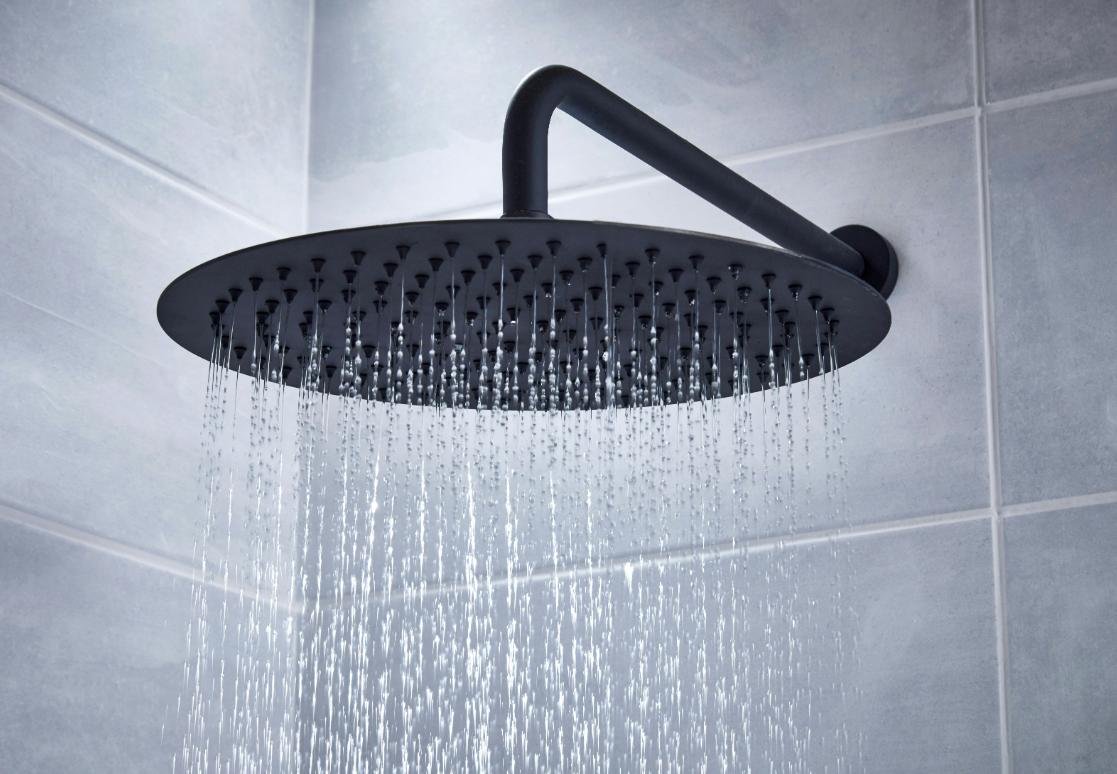
Introduction to LED Shower Heads
LED shower heads are innovative bathroom fixtures that incorporate light-emitting diodes (LEDs) to enhance the bathing experience. These devices are designed to illuminate the water flow, often creating a captivating visual effect with various colors and designs. The integration of LED technology into shower heads has gained significant popularity in recent years, making them a common choice for modern bathrooms seeking both aesthetics and functionality.
One of the primary attributes of LED shower heads is their ability to change colors based on water temperature. Many models feature thermal sensors that activate different colors: blue for cold water, green for warm, and red for hot. This visual alert not only adds an element of fun to daily routines but also serves a practical purpose by helping users avoid scalding temperatures. The enchanting display can transform a simple shower into an invigorating light show, making it particularly appealing for children and those looking to infuse a sense of whimsy into their bathing spaces.
Beyond their visual appeal, LED shower heads are often designed to be energy-efficient. Unlike traditional shower heads that may waste hot water, many LED models are constructed to optimize water flow while providing an engaging atmosphere. As a result, they can contribute to water conservation efforts without sacrificing performance. The incorporation of LED technology adds to their allure, as it requires no batteries or electrical connections, relying solely on the water flow to power the lights. This fusion of artistry and practicality underscores the increasing trend of incorporating aesthetically pleasing elements in home improvement, leading many homeowners to choose LED shower heads as a staple in their bathroom upgrades.
How LED Shower Heads Function
LED shower heads represent a fascinating convergence of technology and everyday convenience, incorporating light-emitting diodes (LEDs) into the familiar bathing experience. These innovative devices typically generate light through one of two primary methods: relying on water flow or powered by batteries. Water flow-powered LED shower heads, which are the most common, use a small turbine that spins as the water travels through the showerhead. This kinetic energy drives the LED lights, resulting in illumination that enhances the ambient atmosphere of the shower without the need for external power sources.
The types of LEDs used in these shower heads can vary, but most utilize standard, energy-efficient LED technology that allows for a broad spectrum of colors. Often, the colors displayed by these units can change according to the water temperature, offering not only a visual delight but also a practical indication of the water’s heat level—a useful safety feature to prevent scalding.
Concerns regarding energy consumption are often raised among consumers; however, it is noteworthy that the energy usage of LED lights is minimal compared to traditional incandescent bulbs. They consume significantly less power while providing the same level of brightness. Additionally, LED shower heads typically have an impressive lifespan, with most LED lights rated to last anywhere from 15,000 to 50,000 hours. This durability is beneficial, as it minimizes the need for frequent replacements, making LED technology a sustainable choice in the long term.
The integration of LEDs not only serves functional purposes but also adds an aesthetic dimension to the bathroom experience. By illuminating the shower area, they can enhance mood, create an inviting ambiance, and make routine showers feel more luxurious. As such, the functionality of LED shower heads combines practicality with energy efficiency and visual appeal, making them an attractive option for modern bathrooms.
Safety Standards and Regulations
When considering the safety of LED shower heads, it is crucial to be aware of the safety standards and regulations that govern their design and manufacture. These standards are in place to ensure that consumers not only receive a functional product but also one that is safe for everyday use. A variety of organizations, including the American National Standards Institute (ANSI) and Underwriters Laboratories (UL), provide certifications that indicate adherence to strict safety protocols, which can protect users from electrical hazards.
One of the key safety considerations when purchasing LED shower heads is the Ingress Protection (IP) rating, which measures the degree to which the product is protected against dust and water ingress. A higher IP rating indicates better sealing and water resistance, which is particularly important in wet environments like bathrooms. Ideally, consumers should look for LED shower heads with an IP rating of at least IPX4, signifying that the product is protected against splashes of water from any direction.
Additionally, it is important to ensure that the LED components of the shower head are designed to operate safely within the voltage and wattage specifications set forth by safety organizations. This minimizes the risk of electrical malfunctions, which can lead to hazardous situations. Products that bear safety certification marks are more likely to have undergone rigorous testing procedures to validate their safety. Customers should always choose LED shower heads from reputable manufacturers that transparently display compliance with national and international standards.
Furthermore, consumers should be cautious of purchasing LED shower heads that do not provide clear information about safety certifications. Prioritizing safety when selecting bathroom products not only enhances user experience but also ensures that the products can be safely integrated into your daily routines without undue concern regarding electric safety and reliability.
Potential Health Risks
While LED shower heads are often celebrated for their aesthetic appeal and energy efficiency, it is important to consider potential health risks associated with their use. A primary concern revolves around the overheating of components. LED lights, although generally cooler than traditional incandescent bulbs, can still generate heat. If the internal wiring or electronic components are not properly insulated, there is a risk that they could become excessively hot during extended use. This overheating could potentially affect the structural integrity of the shower head and, in rare cases, lead to failure of the device.
Another significant aspect to scrutinize is the materials used in the construction of LED shower heads. It is essential to ensure that these products are made from high-quality, non-toxic materials that are safe for prolonged contact with water and dermal exposure. Some lower-quality products may use plastic components that can leach harmful substances into the water supply. Moreover, materials that are not resistant to corrosion or mold could pose additional health risks, including skin irritations or respiratory issues due to inhalation of particulates.
Additionally, the integration of electrical components in wet environments raises concerns over potential electric shock hazards. While most LED shower heads are designed with safety measures to prevent such occurrences, it is crucial for consumers to invest in products that meet safety standards and certifications. Manufacturers should ideally provide clear information regarding waterproof ratings and installation procedures to minimize any health risks stemming from electrical failures.
Therefore, when considering the purchase of an LED shower head, it is advisable to research and select products that prioritize safety, both in terms of materials and electrical components, ensuring a secure and enjoyable showering experience.
Benefits of Using LED Shower Heads
LED shower heads have gained popularity for several reasons, particularly due to their ability to enhance the shower experience while promoting sustainability. One of the primary advantages of LED shower heads is their energy efficiency. Unlike traditional lighting fixtures that require a significant amount of energy, LED lights consume far less power. This contributes to a reduction in energy costs, making them an environmentally friendly choice that can save homeowners money in the long run.
Moreover, the incorporation of LED technology into shower heads offers an innovative way to create an engaging atmosphere in the bathroom. Many models feature color-changing LEDs that can shift hues based on water temperature, helping users gauge warmth and avoid scalding. This dynamic lighting not only provides a visual cue but also enhances the overall mood of the showering experience. A soothing blue light can create a calming environment, while vibrant colors can invigorate the senses, making each shower feel unique and refreshing.
In addition to mood enhancement, LED shower heads contribute significantly to water conservation. Many of these fixtures are designed to reduce water flow without compromising performance. This not only helps save on water bills but also supports efforts to use this precious resource more efficiently. By using less water, homeowners are minimizing their environmental footprint while still enjoying a fulfilling shower experience.
In summary, the benefits of LED shower heads extend beyond mere aesthetics. Their energy-saving features, cost-effectiveness, mood-enhancing capabilities through colored lighting, and commitment to water conservation make them a valuable addition to modern bathrooms.
Customer Reviews and Experiences
LED shower heads have gained significant attention in recent years, leading to a variety of customer reviews that illustrate their impact on users’ bathing experiences. Many customers express satisfaction with the aesthetic appeal of these shower heads, noting that the vibrant lights enhance the ambiance of their bathrooms. Users frequently describe the color-changing feature associated with water temperature as a particularly valuable aspect, allowing them to monitor the heat visually. Positive feedback often highlights the relaxing and playful atmosphere created by the light display, especially enjoyed by families with children, making bath time an engaging experience.
Moreover, users appreciate the energy-efficient nature of LED technology, often providing an environmentally conscious option without sacrificing functionality. The convenience of installation is another point of praise, with many customers reporting that they could easily replace their existing shower heads without the need for professional help. However, despite the positive experiences, some negative reviews warrant attention. A portion of users have reported issues with the reliability of the LED features, stating that the lights sometimes flicker or cease functioning altogether. This inconsistency has led to a perception of diminished quality in certain models.
Additionally, some customers voiced concerns about water pressure, noting that certain LED shower heads reduced the flow compared to traditional models. This concern may deter potential buyers who prioritize high-pressure water flow in their daily routines. Overall, customer reviews provide a balanced perspective on LED shower heads, reflecting both benefits and drawbacks. While many users enjoy the combination of aesthetics and functionality, others encounter challenges that impact their satisfaction. Analyzing these reviews can aid potential buyers in making informed decisions when considering LED shower heads for their own bathrooms.
Installation and Maintenance Tips
Installing LED shower heads may seem daunting, but with the correct approach and tools, this task can be straightforward. Most shower heads come with a universal fitting, meaning they can easily attach to most shower arms. To begin the installation, gather the necessary tools, which typically include an adjustable wrench, plumber’s tape, and a clean cloth. The first step is to remove the existing shower head by turning it counterclockwise. If it is stuck, applying some lubricant can help ease the removal.
Once the old shower head is off, ensure to clean the threaded arm of any debris. Next, wrap plumber’s tape around the threads to create a watertight seal. Carefully align the LED shower head with the shower arm and tighten it using the adjustable wrench, taking care not to overtighten as this may damage the fixture. After installation, turn on the water to check for any leaks. If leaks occur, slightly tighten the connection or reapply the plumber’s tape if needed.
Regarding maintenance, LED shower heads generally require minimal upkeep, yet some routine tasks can help maintain their functionality. Regular cleaning is crucial, as mineral buildup can hamper water flow and the LED lights’ brightness. To clean the shower head, unscrew it from the arm and soak it in a solution of vinegar and water for a few hours. This solution effectively removes any accumulated mineral deposits. Moreover, checking the battery accessibility periodically is advisable, as most LED shower heads require batteries to power the lights.
In addition, ensure to inspect the shower head for any signs of wear and tear, such as cracks or leaks. Proper care and maintenance will not only enhance the aesthetic appeal of your shower but will also extend the life of your LED shower head, ensuring consistent performance for years to come.
Alternatives to LED Shower Heads
While LED shower heads offer a captivating aesthetic and certain functionality, there are numerous alternatives that can also enhance your showering experience. These alternatives encompass various styles, technologies, and efficiencies, allowing consumers to select options that best meet their individual needs.
One prominent alternative is the high-efficiency showerhead. Designed specifically to reduce water consumption without sacrificing performance, these showerheads can help decrease utility bills and conserve water. Many models employ advanced aeration technology to mix air with water, achieving a lush, full spray while adhering to water-saving regulations. With flow rates typically set to 1.5 gallons per minute, high-efficiency showerheads are an effective option for eco-conscious consumers.
Another innovative solution is the smart shower system. This technology gives users precise control over water temperature, flow rates, and even schedule showers. Many smart systems connect to smartphones via apps, allowing users to monitor water usage, adjust settings remotely, or receive maintenance alerts. These systems not only enhance convenience but also promote water efficiency, aligning with contemporary sustainability values.
Finally, traditional showerheads without lighting, such as rain showerheads or handheld models, remain popular for their versatility and ease of installation. Rain showerheads create a gentle, soothing experience that mimics natural rainfall, while handheld options provide flexibility, allowing users to direct water flow as needed. These styles cater to various preferences and can often be found at competitive prices, making them accessible for a wide array of consumers.
In essence, while LED shower heads bring unique advantages, it is crucial to consider these alternatives that prioritize water efficiency, technological advancements, and personal preference. Each option presents a compelling reason to rethink your next showerhead purchase.
Conclusion: Making an Informed Decision
In summary, choosing the right LED shower head requires careful consideration of various safety factors, product features, and personal preferences. Throughout this guide, we have discussed the essential aspects surrounding the safety and functionality of LED shower heads. These fixtures are generally deemed safe when they adhere to established safety standards and utilize quality materials. It is imperative to ensure that the LED components are made with non-toxic substances, as well as check for certifications that indicate compliance with safety regulations.
Additionally, the installation process should not be overlooked. While many LED shower heads can be easily installed by the average homeowner, some may require professional assistance to ensure proper function and compatibility with existing plumbing systems. Assessing one’s DIY skills or willingness to engage a plumber can significantly impact the overall experience with these products.
Moreover, the aesthetic enhancement provided by LED shower heads should not be minimized. Many consumers are drawn to the vibrant colors and lighting effects created by these fixtures, offering a unique blend of utility and visual appeal. However, it is important to balance this desire for aesthetics with considerations around long-term performance and maintenance of the device.
Ultimately, making an informed decision about an LED shower head involves weighing safety, functionality, ease of installation, and visual appeal. By taking the time to research features and reviews of different models, consumers can select a product that best fits their needs and preferences while ensuring a safe and enjoyable showering experience. Engaging with reliable product resources and expert opinions can further aid in this decision-making process.