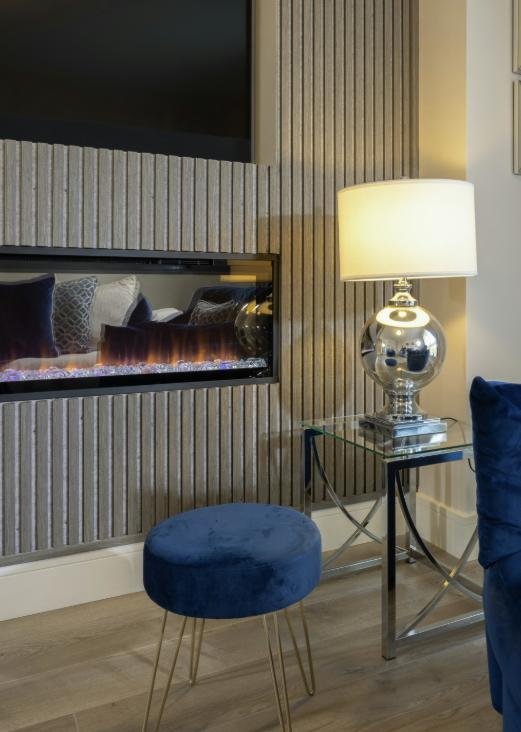
Understanding Electric Fireplaces
Electric fireplaces represent a modern solution for heating that combines aesthetic appeal with functional benefits. Unlike traditional wood-burning or gas fireplaces, electric models utilize electrical energy to produce heat, offering users a versatile option for home heating. The operation of an electric fireplace generally involves the conversion of electricity into heat through the use of a heating element, which warms the air that circulates within the unit. This process is efficient, making electric fireplaces a practical choice for many households.
There are several types of electric fireplaces available on the market today, including wall-mounted units, freestanding models, and built-in options. Wall-mounted electric fireplaces can serve as a stylish focal point in a room and save valuable floor space, while freestanding models offer flexibility in placement. Built-in electric fireplaces provide a seamless integration into walls or decorative surrounds, replicating the appearance of traditional fireplaces while eliminating the need for ventilation. Each style has distinct advantages tailored to different settings and design preferences.
Key components of electric fireplaces include the heating element, flame effect technology, and often, adjustable settings for heat output and aesthetic features. Some advanced models incorporate LED lights and holographic technology to create realistic flame effects, enhancing the visual experience without the need for physical combustion. One of the most notable benefits of electric fireplaces is their safety; they do not produce harmful emissions like carbon monoxide, and there is no risk of an open flame or sparks, making them suitable for various living environments. Additionally, electric fireplaces are typically more affordable to install and maintain when compared to traditional fireplace alternatives.
In conclusion, electric fireplaces provide a safe, efficient, and versatile heating option that caters to modern home heating needs while complementing interior design aesthetics.
Heating Capacity of Electric Fireplaces
Electric fireplaces have become a popular alternative to traditional heating methods due to their convenience and efficiency. One of the primary metrics for evaluating the effectiveness of these devices is their heating capacity, which is predominantly measured in British Thermal Units (BTUs). A BTU is the amount of energy needed to raise the temperature of one pound of water by one degree Fahrenheit, serving as a standardized unit to assess thermal output and capacity.
When choosing an electric fireplace, it is essential to consider the BTU rating, as it directly correlates with the size of the area it can effectively heat. Generally, a standard electric fireplace can produce between 4,000 to 5,000 BTUs, which can comfortably heat a room ranging from 150 to 400 square feet, depending on insulation and ceiling height. For example, if you require supplemental heating for a small living room, an electric fireplace with a higher BTU output could maintain a desired temperature while also creating an inviting ambiance.
Additionally, various models offer different features that can influence their heating capacity. Some units come equipped with adjustable thermostats and fan-forced heating systems, which can enhance their ability to distribute warmth evenly throughout the space. It is also important to note that while electric fireplaces do provide heat, they tend to work best in environments with standard ceiling heights and good insulation. For larger rooms or spaces with significant thermal loss, two or more units may be necessary to achieve an adequate heating level.
In summary, understanding the heating capacity of an electric fireplace, measured in BTUs, is crucial for making an informed purchase. Evaluating room size, insulation quality, and supplemental heating needs will ultimately assist in selecting an electric fireplace that meets individual preferences and heating requirements effectively.
Comparative Analysis: Electric vs. Traditional Fireplaces
When considering heating options for a room, homeowners often find themselves weighing the benefits of electric fireplaces against those of traditional fireplaces. Each type presents unique characteristics that fulfill different needs and preferences, making it essential to explore their distinctions. One significant aspect to consider is heating efficiency. Electric fireplaces convert nearly all their energy into heat, providing an effective solution for heating small to medium-sized rooms quickly. In contrast, traditional fireplaces, particularly wood-burning ones, may also generate substantial warmth, but they often lose a considerable amount of heat through chimneys and ventilation. This can result in lower overall efficiency, especially in homes lacking proper insulation.
Safety is another critical factor distinguishing electric fireplaces from traditional models. Electric fireplaces typically eliminate concerns regarding open flames, sparks, and soot, making them a safer option, particularly in households with children or pets. They operate using electricity, and their advancements in design also mean that they often come equipped with fail-safes, such as automatic shut-off features. On the other hand, traditional fireplaces pose risks associated with fire hazards and the need for diligent maintenance, including regular chimney inspections and cleanings to prevent chimney fires.
Ease of use also differs significantly between the two. Electric fireplaces can be installed with minimal effort and require no complicated setup or fuel storage. Homeowners simply plug them in, adjust the settings, and enjoy the warmth and ambiance they provide. Conversely, traditional fireplaces often demand more work in the form of fueling—whether it be stacking firewood or dealing with gas lines—with the added responsibility of managing smoke and ash disposal. Overall, when selecting between electric and traditional fireplaces, consideration of these factors—efficiency, safety, and convenience—will guide homeowners in making the most suitable choice for their specific environments and lifestyles.
Factors Affecting Heating Efficiency
When considering the effectiveness of electric fireplaces in heating a room, several factors significantly influence their heating efficiency. Primarily, room insulation plays a crucial role. Well-insulated spaces tend to retain heat more effectively than those with poor insulation. Techniques such as using double-glazed windows, insulated doors, and adequate wall insulation can help maintain a comfortable temperature. In contrast, a room with inadequate insulation will allow heat to escape quickly, diminishing the effectiveness of an electric fireplace.
Ceiling height also impacts the heating efficiency of electric fireplaces. Higher ceilings increase the volume of air that needs to be warmed. Consequently, heating a room with high ceilings may require more time and energy compared to a space with standard or lower ceilings. In such cases, the electric fireplace may struggle to maintain consistent warmth throughout the area unless supplementary heating methods are utilized.
Another critical factor to consider is airflow within the room. Proper circulation allows heated air to distribute evenly, enhancing the overall effectiveness of the electric fireplace. If there are blockages such as furniture or décor obstructing airflow, hot air may become trapped near the fireplace while colder air resides in other parts of the room. Utilizing fans or strategically arranging furniture can help promote better airflow, ensuring that the heat created by the electric fireplace is effectively spread throughout the entire area.
In summary, the heating efficiency of an electric fireplace is influenced by various factors including room insulation, ceiling height, and airflow. Understanding these elements can help homeowners make informed decisions about how to maximize the potential of their electric fireplaces for effective room heating.
User Experience: Real-Life Testimonials
Many homeowners have chosen electric fireplaces as a convenient and appealing alternative to traditional heating methods. Their experiences often highlight warmth, comfort, ambiance, and overall satisfaction with these units. For instance, Jane, a resident of a cold climate, shared that her electric fireplace has transformed her living room into a cozy retreat. “Not only does it heat our space efficiently, but it also adds an inviting glow,” she remarked. Jane noted that the added warmth was significant, especially during the colder months, providing her family with a comfortable environment for relaxation.
Similarly, Mark and his family installed an electric fireplace in their basement, which was notoriously chilly. According to Mark, “We were amazed at how quickly the unit warmed up the room. Within minutes, we could feel the difference.” He emphasized that the electric fireplace made their basement more usable and enjoyable, encouraging them to spend more family time there during the winter. This positive change highlights the functional benefit of electric fireplaces in heating previously uninviting areas of the home.
Another user, Sarah, appreciated both the aesthetic and functional aspects of her electric unit. “It offers the ambiance of a real fire without the hassle of cleaning ashes,” she explained. Sarah mentioned that guests often compliment the attractive design of her electric fireplace, noting that it creates a warm atmosphere during gatherings. The ability to enjoy a fire’s visual appeal combined with effective heating capabilities greatly enhances her satisfaction.
These testimonials illustrate the tangible benefits of electric fireplaces in real life. Users not only enjoy comfortable temperatures but also value the mood-enhancing qualities these units offer. Such experiences may encourage potential buyers to consider electric fireplaces as a practical heating option that marries efficiency with style.
Energy Consumption and Cost-Effectiveness
When considering the use of electric fireplaces as a heating solution, it is crucial to analyze their energy consumption in comparison to traditional heating sources. Electric fireplaces are often regarded for their efficiency, as they convert nearly all the electricity they consume into heat. In contrast, conventional heating systems, such as gas or oil furnaces, can have lower efficiency rates due to heat loss during the combustion process or via ductwork.
Electric fireplaces typically have a power rating ranging from 1,500 to 5,000 watts. For example, a standard unit consuming 1,500 watts running for 8 hours daily would utilize approximately 12 kilowatt-hours (kWh) per day. If the average electricity rate is $0.12 per kWh, the daily cost of running the electric fireplace would be around $1.44. This translates to roughly $43.20 monthly, given a consistent usage pattern.
In evaluating cost-effectiveness, it is important to consider how electric fireplaces are often used in conjunction with central heating. By providing supplemental heat, they allow homeowners to lower their thermostat settings on the main heating system, potentially leading to significant savings on monthly heating bills. During the cold winter months, this can result in an overall reduction in energy consumption, contributing to a more budget-friendly option.
Moreover, electric fireplaces may offer additional benefits, such as decreased maintenance costs compared to gas or wood-burning alternatives. With fewer components that can malfunction and no need for regular chimney cleaning, electric fireplaces prove to be a more convenient solution. Additionally, their ability to provide instant heat means that they can be turned on and off as needed, optimizing energy usage. Overall, when factoring in efficiency, maintenance, and potential savings, electric fireplaces can emerge as a cost-effective heating alternative for many households during winter months.
Installation and Maintenance Considerations
Installing an electric fireplace involves a series of steps that ensure proper functioning and safety. Before installation, it is essential to select an appropriate location that can accommodate the unit while considering the overall design of the room. Potential site preparation may include ensuring that there are no obstructions such as furniture or fixtures that could impede the fireplace’s functionality or airflow.
Electrical requirements play a crucial role in the installation process. Most electric fireplaces demand a dedicated circuit to ensure adequate power without overloading. It is advisable to consult a licensed electrician to determine the appropriate circuit and ensure all local electrical codes are met. The fireplace should be plugged into a grounded outlet, and care should be taken to avoid overusing extension cords, which can lead to safety hazards.
Once installed, maintaining an electric fireplace is generally straightforward compared to traditional wood or gas models. Regular maintenance includes checking the unit for dust accumulation or debris around the heating elements and ensuring all vents are clear. Users should also periodically inspect the power cord for any signs of wear or damage. The light bulbs used in electric fireplaces may need to be replaced over time, and ensuring they are functioning correctly is vital for optimal performance.
Furthermore, an electric fireplace may have components that require occasional servicing, including the internal fan and heating element. Keeping the manual handy for manufacturer-recommended maintenance guidelines can significantly enhance the longevity and efficiency of the unit. In addition, it is advisable to power down and disconnect the fireplace from the electrical supply during long periods of inactivity, allowing for better safety and protection against potential electrical issues.
Safety Features of Electric Fireplaces
Electric fireplaces have gained popularity for their aesthetic appeal and practical heating solutions, but one of their most significant advantages lies in their safety features. As homeowners prioritize safety, electric fireplaces have evolved to incorporate various elements designed to minimize risks associated with heating appliances.
One notable feature is the cool-to-the-touch surface that electric fireplaces offer. Unlike traditional wood-burning or gas fireplaces, which have hot surfaces that can cause burns or fire hazards, electric models remain cool on the exterior. This design is particularly beneficial in households with pets and young children, as it significantly reduces the risk of accidental burns.
Another essential safety feature is the automatic shut-off system. Many electric fireplaces are equipped with sensors that detect overheating or malfunction. When temperatures exceed safe thresholds, the system automatically triggers a shutdown, thus preventing potential fire hazards. This proactive measure ensures that even in unforeseen circumstances, the risk of an electrical fire is considerably mitigated.
Furthermore, electric fireplaces typically do not produce real flames or combustion gases, which eliminates issues related to carbon monoxide and smoke inhalation commonly associated with other heating methods. This feature makes electric fireplaces an environmentally friendly choice, offering peace of mind regarding indoor air quality and safety.
Lastly, reputable manufacturers often include additional safety protocols, such as child safety locks and thermal cut-off mechanisms, which further enhance the overall safe operation of electric fireplaces. These combined safety features not only set electric fireplaces apart from traditional options but also provide reassurance to homeowners seeking effective and secure heating solutions for their living spaces.
Conclusion: Are Electric Fireplaces Worth It?
In evaluating the effectiveness of electric fireplaces in heating a room, several key points emerge that can assist homeowners in making an informed choice. Electric fireplaces are designed to offer a convenient heating solution, requiring minimal installation compared to traditional wood-burning or gas fireplaces. They can easily be plugged into standard electrical outlets and usually feature built-in temperature controls, allowing for tailored heating preferences.
Electric fireplaces provide heat directly through infrared technology, which warms objects and surfaces in their vicinity rather than heating the air alone. This makes them particularly effective for smaller spaces or for supplementary heating, enhancing overall comfort without the need for extensive heating systems. Moreover, these units offer a variety of aesthetic designs and styles, contributing to the ambiance of any room while serving a functional purpose.
However, potential buyers should consider their heating requirements. While electric fireplaces may effectively heat individual rooms, they are not typically designed to serve as the primary heating source for larger homes or during extremely cold weather. Additionally, electricity costs may impact the long-term running expenses, especially in areas where energy rates are high.
Ultimately, the decision to invest in an electric fireplace should reflect individual needs and preferences. For those seeking a versatile, aesthetically pleasing heating option without considerable installation hassles, electric fireplaces are worth considering. They certainly have their advantages and can greatly enhance the comfort and prettiness of a space, provided they align with the heating demands and practices of the user’s lifestyle.