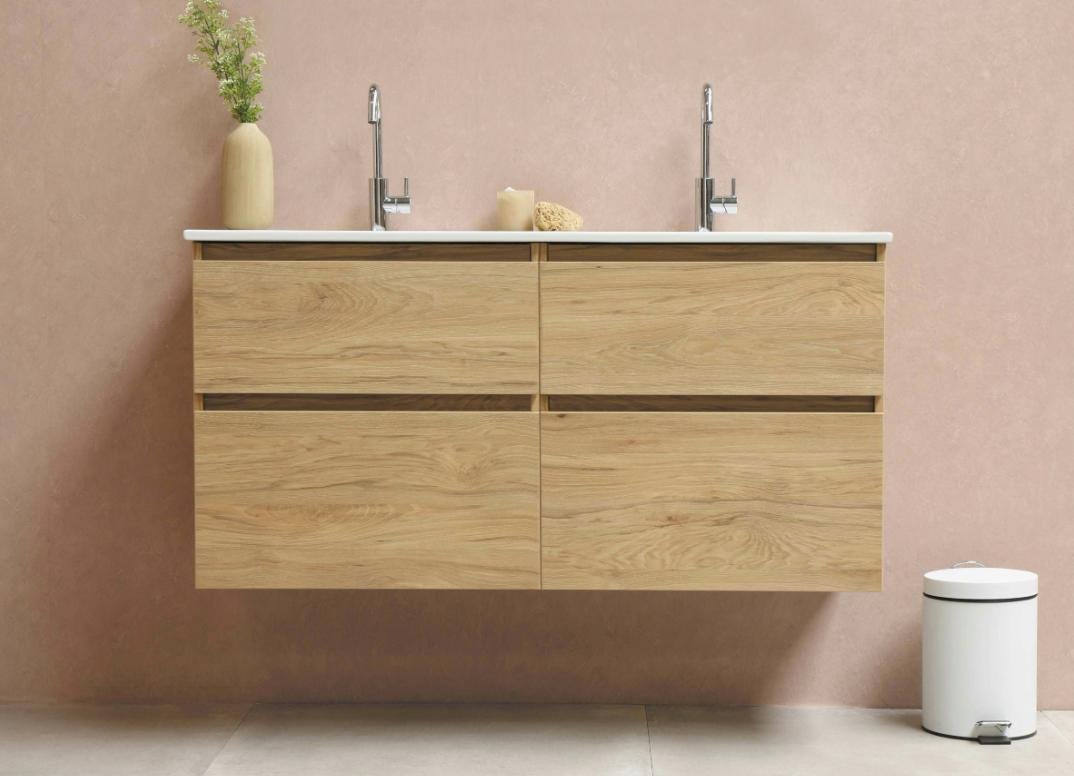
Understanding the Importance of Protecting Wooden Vanities
Wooden bathroom vanities are cherished for their aesthetic appeal and their ability to provide a warm, natural touch to what is often considered a utilitarian space. However, they require special care and protection due to their inherent vulnerabilities. In a bathroom setting, wooden surfaces are frequently exposed to moisture, humidity, and temperature fluctuations, all of which can lead to significant deterioration over time if not properly managed.
One of the primary risks associated with wooden vanities is water damage. When water is allowed to accumulate on or near wooden surfaces, it can seep into the material, causing warping, swelling, or even mold growth. Additionally, excessive humidity can lead to the wood becoming overly saturated, resulting in structural instability. Fluctuations in temperature may similarly affect the integrity of the wood, leading to cracks or splits in the finish that could compromise its overall appearance.
Moreover, wooden finishes are often applied to enhance the visual appeal of the vanity while also providing a protective barrier. Without proper maintenance, these finishes can wear away, leaving the wood exposed to environmental stresses. This not only reduces the vanity’s aesthetic value but may also result in more costly repairs or replacements down the line. Regular care can maintain the beauty of the wood and extend its lifespan.
Therefore, understanding the importance of protecting wooden bathroom vanities is crucial. By implementing preventative measures—such as employing water-resistant finishes, maintaining a stable bathroom environment, and promptly addressing any spills or humidity issues—homeowners can effectively safeguard their wooden investments. Proper care not only preserves the look and functionality of the vanity but also supports its durability against the inevitable challenges posed by a bathroom atmosphere.
Choosing the Right Finish for Your Wooden Vanity
When it comes to ensuring the longevity of a wooden bathroom vanity, selecting the appropriate finish is crucial. Different types of finishes offer varying levels of protection against moisture, stains, and general wear, which are particularly important factors in high-humidity areas such as bathrooms. Among the most common finishes are varnish, lacquer, and natural oils, each presenting unique advantages and limitations.
Varnish is a popular choice for its durability and high-gloss appearance. It creates a hard, protective layer that effectively repels water and prevents damage from humidity. However, applying varnish can be challenging, as it requires multiple coats and adequate drying time. This finish is best suited for those who are willing to invest time or are comfortable with DIY projects. For a more user-friendly option, lacquer is another finish that dries quickly and provides a smooth, glossy appearance. While it is significant for its ease of application, lacquer may not offer the same long-term protection as varnish in extremely humid conditions. It is advisable to periodically reapply lacquer to maintain its protective qualities.
Natural oils, such as tung oil or linseed oil, provide a different approach to finishing wooden surfaces. These oils penetrate the wood, enhancing its natural beauty while offering a degree of water resistance. Although they are easier to apply and maintain than varnish or lacquer, they do not provide a barrier as robust as synthetic finishes. Therefore, for those who prioritize aesthetics and are willing to commit to regular upkeep, natural oils can be a suitable option. In conclusion, understanding the properties of each finish will help you make an informed decision tailored to your bathroom vanity’s environment and your maintenance preferences.
Regular Cleaning and Maintenance Tips
Maintaining the integrity and appearance of your wooden bathroom vanity requires a commitment to regular cleaning and thoughtful care. To begin with, it is crucial to use gentle cleaning products specifically designed for wood surfaces. Avoid harsh chemicals that can strip the wood’s natural finish and lead to premature wear. A mixture of warm water and mild soap is often sufficient for routine cleaning. Some recommend commercially available wood cleaners that include natural oils, which can help nourish the wood while offering effective cleaning properties.
When cleaning your wooden vanity, employ a soft cloth, microfiber towel, or sponge to prevent scratches. Wipe the surface gently, ensuring you do not saturate the wood with water, as excess moisture can lead to warping or mold growth. Instead, focus on using a slightly damp cloth followed by a dry one to prevent any moisture retention. For heavier stains or build-up, consider using a soft bristle brush, but always test any product or technique on a small inconspicuous area first to determine its compatibility with your finish.
Regular inspections are vital to detect any signs of wear or damage to the vanity. Look for scratches, discoloration, or other imperfections. Check seals and finishes for peeling or cracking, as these can expose the wood to moisture. Addressing these issues promptly can significantly prolong the life of your vanity. In terms of frequency, it is advisable to perform cleaning at least once a week and conduct more thorough inspections monthly. With a consistent cleaning regimen and strategic maintenance, your wooden bathroom vanity can remain a gorgeous focal point of your bathroom for many years to come.
Sealing Your Wooden Vanity: When and How
Sealing a wooden bathroom vanity is an essential step in maintaining its integrity and prolonging its life, particularly in the moisture-rich environment of a bathroom. The sealing process forms a protective barrier that minimizes the risk of water damage, staining, and other deterioration issues frequently caused by exposure to humidity and spills. It is advisable to seal your wooden vanity right after it is installed or refinished. Regular maintenance is crucial; therefore, sealing should ideally be conducted annually or whenever signs of wear begin to appear.
To properly apply a sealant, begin by cleaning the surface of your vanity. Use a mild detergent and water solution to remove any dirt or grime, and allow it to dry completely. Next, choose a suitable wood sealant designed for bathroom use, such as a water-based polyurethane or a specialized marine-grade sealant. These products offer excellent moisture resistance and durability. Using a high-quality paintbrush or foam applicator, apply an even coat of the sealant, ensuring to follow the wood grain for a smooth finish. Allow the first coat to dry thoroughly, and then lightly sand the surface to promote adhesion before applying a second coat.
For optimal results, it is recommended to select sealants that are specifically tested for high humidity areas. Products like Minwax Helmsman Spar Urethane and Varathane Crystal Clear Water-Based Polyurethane are excellent choices, as they provide robust protection while retaining the natural beauty of the wood. Regular inspections are important, and you should consider reapplying the sealant if you notice any discoloration, peeling, or when water is no longer beading on the surface. By diligently sealing your wooden vanity, you will ensure that it remains a beautiful and functional part of your bathroom for years to come.
Humidity Control: The Key to Longevity
Effective humidity control is crucial for preserving the integrity and beauty of a wooden bathroom vanity. High humidity levels can lead to swelling, warping, and ultimately damage to the wood, while excessively dry conditions can cause cracks and splits. Therefore, maintaining a balanced humidity level is essential for ensuring the longevity of your vanity.
One of the most effective strategies for controlling humidity in the bathroom is proper ventilation. Installing an exhaust fan can significantly reduce moisture buildup, particularly during and after hot showers. Ensure that the fan is appropriately sized for your bathroom and operates efficiently. It should be run for at least 20 minutes after bathing to allow moisture to dissipate fully. Additionally, keeping windows open when weather permits encourages fresh air circulation and facilitates the reduction of humidity levels.
In more humid climates or during particularly damp seasons, a dehumidifier can serve as an excellent tool to maintain optimal humidity. These devices work to remove excess moisture from the air, thereby creating a more stable environment for your wooden furniture. When selecting a dehumidifier, consider a model specifically designed for small spaces like bathrooms, ensuring its capacity matches the room’s humidity levels.
Besides using ventilations systems and dehumidifiers, it is essential to monitor humidity levels regularly. A hygrometer can provide accurate readings of the moisture in the air, allowing you to take action when levels climb too high or drop too low. Ideally, indoor humidity levels should stay between 30% and 50%. Keeping track of these measurements helps in making informed adjustments to ventilation or dehumidification efforts.
By implementing these strategies, you can create a stable environment that minimizes the risk of humidity-related damage to your wooden bathroom vanity, thus ensuring its lasting appeal and function.
Using Accessories to Protect Your Vanity
Wooden bathroom vanities, while elegant, require diligent care to ensure their longevity and aesthetic appeal. One effective approach to safeguarding these fixtures is the use of various accessories designed specifically to mitigate potential damage. Implementing simple items such as mats, coasters, and trays can significantly contribute to protecting your vanity from water damage and scratches.
First and foremost, incorporating absorbent mats beneath personal care items serves as a crucial protective layer. These mats can collect moisture that may drip from products, reducing the risk of water seeping into the wood and damaging its surface. Selecting mats that are both absorbent and visually appealing can complement the overall design of your bathroom, enhancing the atmosphere while keeping your vanity safe.
In addition to mats, coasters play an integral role in protecting the wooden surface of your vanity. Whether it’s a cup of hot coffee or a chilled bottle of lotion, heat and condensation can quickly mar the finish of your wooden vanity. Using coasters not only prevents unsightly rings and burns but also adds a touch of character to your bathroom decor. It is advisable to choose coasters made from materials such as cork or rubber, as these provide excellent cushioning and moisture resistance.
Trays are another accessory that can help organize items on your vanity while offering an extra layer of protection. By placing toiletries and cosmetics in a stylish tray, you create a designated area that minimizes clutter and reduces the likelihood of spills directly onto the wooden surface. Moreover, trays come in various designs, allowing you to select one that complements your bathroom’s theme seamlessly.
Utilizing these protective accessories not only safeguards your wooden vanity from potential damage but also maintains the overall harmony and style of your bathroom space.
Addressing Water Damage: Repairing Your Vanity
Wooden bathroom vanities are susceptible to water damage due to the high humidity and moisture levels typically found in bathrooms. Identifying water damage early can prevent further deterioration and maintain the vanity’s aesthetic and functional qualities. Common signs of water damage include discoloration, warping, peeling paint or finish, and mold or mildew growth. If you notice any of these indicators, it is crucial to assess the severity of the damage to determine whether a simple repair will suffice or if professional assistance is needed.
To assess the severity of the water damage, start by examining the affected areas closely. Light discoloration or minor peeling may indicate surface damage that can often be repaired using simple methods. Conversely, if you detect warping or swelling, the damage may extend deeper into the material, necessitating more extensive repairs. Testing the integrity of the wood by pressing it gently with your fingers can help gauge the extent of the damage; if the wood feels soft or spongy, immediate action is required.
For minor repairs, begin by cleaning the damaged area with a damp cloth to remove dirt and debris. Allow it to dry completely before proceeding. If you encounter peeling paint, gently sand down the affected area with fine-grit sandpaper, ensuring a smooth surface. Following this, you can apply a wood filler to any cracks or gouges, allowing it to dry as per the manufacturer’s instructions. Once dried, sand the area again and repaint or refinish it to restore its original appearance. However, if the vanity shows signs of significant damage, such as deep water saturation or structural integrity loss, it is advisable to consult a professional. They possess the tools and knowledge to assess and repair severe water damage effectively, ensuring your vanity remains in optimal condition. Ensuring timely remediation can save you both time and money in the long run.
Tips for Seasonal Maintenance
Maintaining a wooden bathroom vanity throughout the changing seasons is crucial for its longevity and aesthetic appeal. Seasonal maintenance should include comprehensive cleaning, inspection for wear and tear, and tailored care depending on humidity levels and temperature fluctuations.
During the summer months, heightened humidity levels can adversely affect your wooden vanity. It is recommended to clean the surface using a damp cloth followed by a dry one, ensuring no moisture remains on the wood. Additionally, applying a suitable wood polish can help create a protective barrier against moisture. Regular checks for signs of mold or mildew should be conducted, as these can thrive in damp environments. If found, a mild soap solution can effectively eliminate these issues without damaging the finish.
As winter approaches, the air tends to become drier, which can lead to cracking or warping in your wooden vanity. To counteract these effects, start by ensuring proper heating and humidity levels in your bathroom. Utilizing a humidifier during particularly dry spells can help maintain an optimal moisture balance. Seasonal maintenance during this time should include a gentle cleaning with wood-friendly products followed by the application of a wax or sealant designed to enhance the wood’s resistance to dryness. Regularly inspecting for scratches or dents becomes essential as well, as these can worsen with fluctuating temperatures.
In the transition months of spring and autumn, it is advisable to conduct thorough inspections of the vanity. Ensure that all wood joints are intact and there are no signs of water damage from previous seasons. Cleaning methods similar to those employed in summer and winter should be followed, adapting the approach to match the current humidity conditions. This proactive seasonal maintenance will significantly prolong the life of your wooden bathroom vanity, ensuring that it retains both its functionality and beauty throughout the year.
Conclusion: Creating a Lasting Shine
Protecting your wooden bathroom vanity is essential for ensuring its longevity and maintaining its aesthetic appeal. Throughout this blog post, we have explored various tips and tricks that contribute to the effective care of wooden vanities. One of the most important takeaways is the necessity of regular maintenance. Establishing a routine cleaning schedule not only helps to prevent dirt and grime build-up but also allows for the early detection of any potential issues, such as water damage or scratches.
Another important aspect is the use of appropriate cleaning products. Harsh chemicals can damage the finish of wooden surfaces, so it is recommended to opt for pH-balanced cleaners specifically designed for wood. Additionally, avoiding excessive moisture is crucial, as bathrooms can be humid environments. Consider using coasters, mats, or trays to shield your vanity from water exposure due to wet items.
Your choice of protective finishes also plays a significant role in maintaining the vanity’s shine and durability. Regular application of wood oils or wax can provide extra layers of protection against wear and tear, while also enhancing the natural beauty of the grain. Remember to periodically reapply these protective products to sustain their effectiveness over time.
Moreover, awareness of the environmental factors influencing wood is key. Differences in temperature and humidity can cause expansion or contraction, which may lead to cracks. Utilizing a dehumidifier or ensuring proper ventilation can help mitigate these effects.
In summary, by implementing regular maintenance practices, using appropriate cleaning techniques, and safeguarding against environmental factors, you can extend the life and luster of your wooden bathroom vanity. A little consistent care goes a long way in creating a lasting shine that will enhance the beauty of your bathroom for years to come.