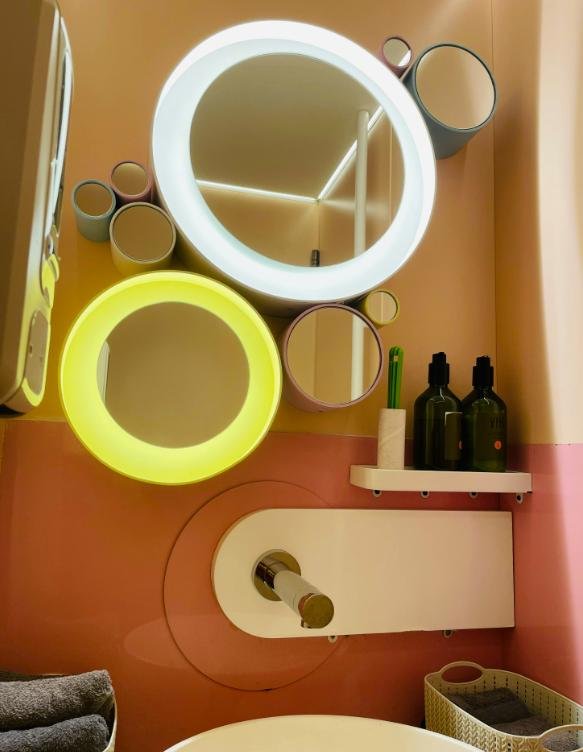
Introduction to LED Bathroom Mirrors
LED bathroom mirrors have revolutionized the way we perceive mirror functionality and aesthetics. Unlike traditional mirrors, which solely serve the purpose of reflection, LED bathroom mirrors integrate advanced lighting technology aimed at enhancing visibility and ambiance within bathrooms. These modern fixtures not only provide illumination but also contribute to the décor, combining practicality with contemporary design. The embedded LED lights deliver brilliant, even lighting, which is essential for activities such as grooming, applying makeup, or shaving, where clarity is crucial.
The concept of LED bathroom mirrors stems from the increasing demand for multifunctional and innovative bathroom solutions. Traditionally, lighting in bathrooms was often inadequate, leading to shadows and poor visibility. The introduction of LED technology addresses these issues, offering a more effective lighting solution that is both energy-efficient and long-lasting. Furthermore, the sleek and stylish appearance of LED mirrors seamlessly integrates into various bathroom styles, from minimalist to luxurious designs, making them a popular choice among homeowners and designers alike.
As the trend towards smart homes rises, LED bathroom mirrors have further evolved by incorporating features such as touch controls, defogging capabilities, and adjustable brightness settings. This adaptability not only elevates the user experience but also aligns with the broader movement towards energy conservation and sustainable living. Overall, LED bathroom mirrors present a compelling alternative to traditional mirrors, enhancing functionality and appeal while addressing common challenges associated with bathroom lighting. As such, their increasing popularity is indicative of a wider shift towards modern and efficient living spaces.
Benefits of LED Bathroom Mirrors
LED bathroom mirrors offer a multitude of advantages that make them a compelling choice for modern bathrooms. One of the most significant benefits is the enhanced lighting quality they provide. Unlike traditional lighting solutions, LED lights evenly illuminate the face and surrounding areas, reducing shadows and ensuring a clearer reflection. This aspect is crucial for tasks such as shaving, makeup application, or hairstyling, where precise visibility is essential. The daylight-like brightness of LED lights can transform a dimly lit bathroom into a well-lit personal grooming space.
In addition to improved lighting, LED bathroom mirrors are notably energy efficient. LED technology uses significantly less power compared to incandescent bulbs, resulting in lower electricity bills over time. This efficiency not only benefits the environment by reducing energy consumption but also contributes to the sustainability of bathroom designs. Many models of LED mirrors also incorporate features like a built-in dimmer or adjustable brightness settings, allowing users to customize the lighting according to their needs and preferences.
Aesthetic appeal is another hallmark of LED bathroom mirrors. Their sleek and modern designs can enhance the overall ambiance of a bathroom, turning it into a luxurious retreat. Available in various sizes and styles, from minimalist frameless designs to ornate options with decorative frames, these mirrors can complement different decor themes, adding a contemporary touch. Furthermore, the integration of lighting within the mirror itself creates a seamless look, eliminating the need for bulky wall sconces or additional fixtures. Thus, LED bathroom mirrors function effectively as both a practical fixture and a decorative element, meeting diverse user preferences.
Lighting Quality and Functional Uses
LED bathroom mirrors are designed to provide superior lighting quality, which significantly enhances various daily grooming tasks. One of the standout features of these mirrors is their adjustable color temperature options, which range from warm to cool light settings. This versatility allows users to customize the lighting according to specific needs, such as applying makeup or performing intricate grooming tasks. For instance, warm light is often preferred for a natural look, while cooler tones can be utilized to achieve a more precise makeup application, akin to daylight conditions.
Moreover, the brightness levels of LED mirrors can often be adjusted, granting users control over the intensity of the light emitted. This capability is especially beneficial in settings where natural light may be limited, such as in bathrooms with no windows or inadequate lighting fixtures. With the right brightness setting, individuals can illuminate their faces evenly, reducing shadows that may otherwise hinder grooming excellence.
In addition to makeup application, enhanced lighting quality is crucial for tasks like shaving or detailed skincare routines. The clarity and brightness provided by LED mirrors enable users to observe their skin conditions closely, allowing for more effective cleansing and treatment applications. As such, the integration of LED technology in bathroom mirrors not only improves the practicality of the grooming process but also contributes to an overall enhanced user experience.
LED bathroom mirrors stand out because of their ability to merge aesthetic appeal with functionality, making them invaluable additions to any modern bathroom. By providing exceptional lighting quality and incorporating practical features for grooming, these mirrors help users achieve their best looks while fostering effective skincare practices. Therefore, understanding the benefits of LED mirrors can influence decisions when selecting the right mirror for personal grooming needs.
Energy Efficiency and Longevity
LED bathroom mirrors are gaining popularity, primarily due to their impressive energy efficiency and longevity compared to traditional lighting options. This modern technology utilizes light-emitting diodes (LEDs) that consume significantly less electricity than incandescent or fluorescent lights. Specifically, LED mirrors can reduce energy consumption by up to 80%, making them a more sustainable choice for environmentally conscious consumers. This substantial decrease in electricity usage not only contributes to a reduction in the overall carbon footprint but also results in lower energy bills.
Moreover, the lifespan of LED lights adds to their appeal. On average, LEDs can last anywhere from 15,000 to 50,000 hours, depending on usage and quality. In contrast, traditional incandescent bulbs typically last around 1,000 hours, while compact fluorescent lamps (CFLs) have a lifespan of about 8,000 hours. This longevity translates to fewer replacements and lower maintenance costs over time. It is not uncommon for homeowners to experience a considerable savings in costs related to replacement bulbs and frequent maintenance when opting for LED technology in their bathroom mirrors.
Additionally, the durability of LED mirrors means they are less prone to burnouts and failures, providing a stable, reliable source of light that does not flicker or dim over time. The combination of energy efficiency and extended lifespan ensures that LED bathroom mirrors offer both economic and practical advantages. This makes them not only a wise investment for immediate use but also a sustainable choice for the environment. Ultimately, choosing LED bathroom mirrors can lead to significant cost savings and contribute to a greener lifestyle, underscoring their value in modern home design.
Design and Aesthetic Appeal
LED bathroom mirrors have become increasingly popular in modern interior design, offering a unique blend of style and functionality. Available in various shapes, sizes, and finishes, these mirrors can elevate the overall aesthetic of any bathroom, whether it follows a contemporary, minimalist, or classic theme. From sleek round options that exude a modern vibe to rectangular designs that contribute to a more traditional look, the adaptability of LED mirrors allows them to complement a wide range of decor styles.
The integration of LED lighting directly into the mirror design not only enhances functionality but also introduces an innovative dimension to bathroom aesthetics. For instance, frameless models create a seamless look that can make spaces appear larger, while mirrors featuring decorative frames can serve as focal points and harmonize with existing fixtures. Furthermore, the choice of finishes—ranging from polished chrome to matte black—provides additional customization, allowing homeowners to align their mirrors closely with the color palette and style of the space.
Different shapes can also have a significant impact on the overall design. Circular mirrors are often used to soften the harsh lines in a predominantly angular bathroom, while elongated, vertical options can add height and drama. Additionally, some LED mirrors are designed with smart features like touch controls, color temperature adjustments, and even defogging capabilities, making them not only stylish but practical as well.
The aesthetic appeal of LED bathroom mirrors extends beyond their lighting capabilities. Their versatility allows them to function as decorative elements that enhance the environment, contributing to a cohesive and polished bathroom design. As such, LED mirrors serve as an excellent choice for anyone looking to augment their space’s visual appeal while providing the necessary illumination for everyday grooming tasks.
Potential Drawbacks of LED Bathroom Mirrors
While LED bathroom mirrors can enhance aesthetics and functionality, potential drawbacks warrant careful consideration before making a purchase. One significant concern is the initial cost. Compared to traditional mirrors, LED models often come with a higher price tag due to their advanced features and technology. This increased expense may deter some consumers, particularly those on a tighter budget. It’s essential to weigh the benefits against the initial financial outlay to determine if the investment aligns with your needs.
Additionally, the installation of LED bathroom mirrors may necessitate professional electrical work. Unlike conventional mirrors, many LED variants require proper wiring to ensure safe and efficient operation. Depending on the existing infrastructure, this could mean hiring an electrician, further adding to the total cost and complexity of the setup. Homeowners who are accustomed to DIY projects may find this requirement frustrating or overwhelming, potentially impacting their decision to opt for an LED mirror.
Maintenance is another consideration that should not be overlooked. Although LED lights generally have a long lifespan, they may still require eventual replacement or repairs. Accessing the electrical components behind a wall-mounted mirror can be cumbersome and may necessitate professional assistance, particularly if issues arise outside of warranty periods. Furthermore, issues such as humidity in a bathroom environment could potentially affect the longevity of the lighting elements, leading some consumers to question the durability of their LED mirror over time.
In weighing the pros and cons, it’s vital for potential buyers to recognize these drawbacks, considering how they align with their individual preferences and long-term plans for bathroom renovations.
Installation Considerations
When it comes to installing LED bathroom mirrors, careful planning and consideration are paramount for achieving optimal results. One of the initial decisions is whether to hire a professional or undertake a DIY approach. Hiring a licensed electrician can ensure compliance with local electrical codes, particularly if the mirror requires hardwiring. On the other hand, if you possess sufficient DIY skills and experience, you may opt for a self-installation, provided you adhere to safety guidelines.
Electrical safety is a critical factor in the installation process. LED bathroom mirrors often come with integrated lighting, which necessitates proper electrical connections to prevent hazards such as short circuits or, in severe cases, electrical fires. Before installation, ensure that the power supply is turned off at the circuit breaker, and consult the manufacturer’s manual for specific wiring instructions. If you are unsure about the complexity of the installation, it is advisable to consult a professional. This not only safeguards your home but also allows for an efficient and secure installation.
Moreover, specific mounting tips can differ depending on the type of mirror being installed. For wall-mounted LED mirrors, ensure they are affixed to wall studs for adequate support, as improper mounting can lead to the mirror falling over time. Adjustable mounting brackets may also be employed to allow for versatility during installation. For frameless mirrors, using adhesive or special mounting clips designed for this purpose can enhance aesthetic appeal while ensuring stability. Ensuring that the installation area is moisture-resistant will further protect the mirror from bathroom humidity, prolonging its lifespan and functionality.
Comparing LED Bathroom Mirrors to Traditional Options
When considering bathroom mirrors, the choice between LED bathroom mirrors and traditional options can significantly influence the overall functionality and aesthetics of a space. One of the most prominent factors to consider is light quality. LED mirrors typically incorporate integrated lighting that provides uniform illumination, which is especially beneficial for tasks like grooming or applying makeup. This even distribution of light helps to minimize shadowing and offers a more accurate reflection compared to traditional mirrors, which often depend on external lighting sources that may create uneven shadows and inconsistency in brightness.
Energy consumption is another critical point of comparison. LED bathroom mirrors are generally energy-efficient, operating on significantly less power than traditional light fixtures. This not only reduces electricity bills but also contributes positively to environmental sustainability. Many LED mirrors come with the added benefit of longevity, as LED lights have a longer lifespan compared to incandescent or fluorescent bulbs traditionally used in bathroom fixtures. Thus, the investment in an LED mirror may lead to decreased maintenance costs over time.
Furthermore, the overall functionality of LED mirrors is enhanced through innovative features such as touch sensors, anti-fog technology, and adjustable lighting settings. These options allow users to customize their experience based on their individual needs, providing greater convenience in daily routines. Traditional mirrors often lack such advanced features, which can limit their versatility in various lighting conditions and during different activities.
In summary, the comparison between LED bathroom mirrors and traditional mirrors highlights substantial advantages in light quality, energy efficiency, and enhanced functionality. For homeowners looking to upgrade their bathrooms, switching to LED mirrors presents an opportunity to improve not only the aesthetic appeal but also the practicality of their space.
Conclusion: Are LED Bathroom Mirrors Worth It?
In evaluating whether LED bathroom mirrors are a beneficial addition to your home, it is essential to consider their myriad of advantages alongside potential drawbacks. One of the primary benefits highlighted throughout the discussion is the enhanced visibility that LED mirrors provide. Equipped with energy-efficient lighting, these mirrors illuminate the face more evenly, making them ideal for tasks such as makeup application, grooming, or simply achieving a more polished look when preparing for the day. The integrated lighting can also offer a luxurious feel to a bathroom, contributing to an overall modern aesthetic.
Moreover, LED bathroom mirrors often come with additional features that add to their utility. Many models include fog-free surfaces, adjustable brightness settings, and touch controls, enhancing user convenience. These mirrors not only emphasize functionality but also improve the overall ambiance of your bathroom space.
On the other hand, it is crucial to consider the potential downsides. The initial investment for an LED bathroom mirror can be higher than traditional mirrored options. Additionally, while LEDs are known for their longevity, any malfunction could require professional repair or replacement, adding to maintenance concerns. The overall design and size must also suit the existing layout of your bathroom to ensure optimal integration.
Ultimately, the decision to purchase an LED bathroom mirror hinges on individual preferences and needs. If enhanced lighting, aesthetic appeal, and modern features align with your bathroom renovation goals, an LED bathroom mirror may indeed be a worthwhile investment. Conversely, those who prioritize budget or simplicity in design may find traditional mirrors more suitable. Assessing both the benefits and drawbacks can guide you in making an informed choice that best fits your lifestyle.