Introduction to Salt Lamps
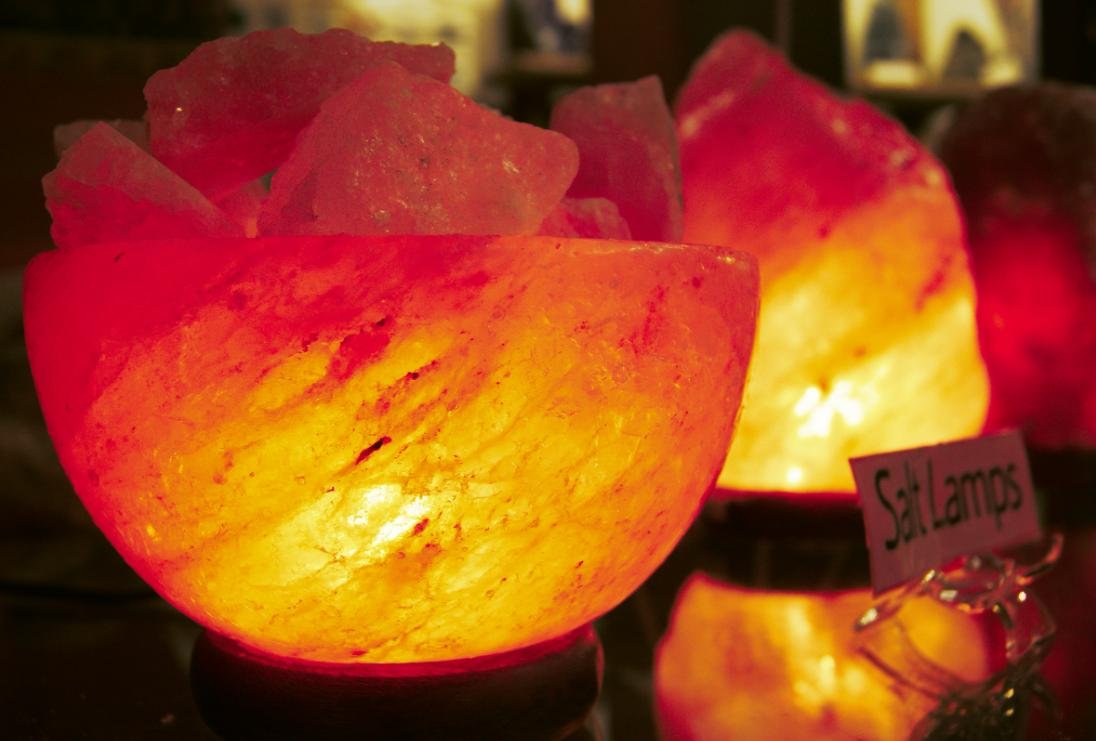
Salt lamps, primarily crafted from Himalayan salt crystals, have surged in popularity over the past few years, attracting the attention of both interior designers and health enthusiasts. Originating from the Khewra salt mine in Pakistan, these lamps are not only aesthetically pleasing but are also believed to offer various potential health benefits. The warm, amber glow emitted by salt lamps creates a calming ambiance, making them an attractive addition to homes and offices alike.
The production of salt lamps involves meticulous processes where large blocks of salt are harvested, cut, and shaped into various forms. Once crafted, these blocks are typically hollowed out to accommodate a light bulb, allowing them to emit light. This design not only enhances the visual aspect of the lamp but also provides a functionality that makes salt lamps suitable for a variety of spaces, from living rooms to meditation areas.
Beyond their decorative value, many proponents of salt lamps assert that they may improve indoor air quality. It is believed that when heated, these lamps release negative ions into the air, which can help to neutralize pollution and allergens. Although scientific studies on the health benefits of salt lamps are still limited, the allure of their soothing light and potential to create a serene atmosphere has contributed to their widespread usage.
In recent years, salt lamps have increasingly been marketed with various health claims, promoting their supposed ability to alleviate respiratory issues and improve mood. While the evidence supporting these benefits varies, the growing consumer interest in holistic wellness continues to propel the popularity of salt lamps. As we consider the perfect wattage for these lamps, understanding their origins, materials, and purported advantages offers valuable context for their use.
Understanding Wattage and Its Importance
Wattage refers to the measure of electrical power consumed by a light bulb, indicating how much energy it requires to produce light. In the context of salt lamps, which are often enhanced by the soft glow of incandescent bulbs, wattage plays a crucial role in determining not only the brightness of the lamp but also its heat output and overall functionality. The wattage rating directly influences the intensity of light emitted, thereby creating the desired ambiance in your space.
Choosing the correct wattage for your salt lamp is essential for achieving both aesthetic and practical purposes. Higher wattage results in more light, which can be beneficial in larger rooms or spaces that require enhanced illumination. However, it is important to note that excessive wattage can lead to heightened heat production, potentially compromising the integrity of the salt crystal. This can cause the lamp to overheat, posing safety risks and limiting the lifespan of the salt lamp.
Conversely, using a bulb with insufficient wattage may result in a dim light output, failing to deliver the desired calming atmosphere associated with salt lamps. Ensuring that the water balance within the salt crystal remains optimal is another consideration, as the right wattage contributes to maintaining this equilibrium. Typically, a range of 15 to 25 watts is recommended for most salt lamps; this range strikes a balance between adequate brightness and safe heat levels.
Selecting the proper wattage allows salt lamps to fulfill their functions effectively, including air purification and creating a serene environment. Thus, it is imperative for consumers to understand the significance of wattage and how it impacts the performance of their salt lamps, allowing them to make informed decisions that enhance their lighting experience.
Typical Wattage Options for Salt Lamps
When selecting a salt lamp, one of the most significant factors to consider is the wattage, as it plays a crucial role in determining the brightness and heat output of the lamp. Salt lamps come in various sizes, and each size is typically paired with a specific wattage. Understanding these standard wattage options can guide you in making an informed purchase.
For smaller salt lamps, which generally weigh around 5 to 9 pounds, a wattage of 15W is commonly recommended. This option provides sufficient illumination while ensuring the lamp does not overheat. Such lamps are suitable for small spaces like desks, personal nightstands, or small offices where a gentle glow is desired.
Medium-sized salt lamps, typically weighing between 10 and 15 pounds, usually operate best with a 25W bulb. This wattage strikes a balance between providing adequate light output and maintaining a comfortable temperature for the salt to release negative ions effectively. Medium salt lamps are versatile and can be placed in various locations, including living rooms or bedrooms, where they can serve both functional and decorative purposes.
For larger salt lamps that weigh upwards of 15 pounds, a wattage of 40W or even higher is often necessary. This increased wattage allows for greater brightness and ensures that the lamp can adequately heat the larger chunk of salt. Such lamps are ideal for spacious areas, such as large living rooms or open-plan spaces, where their substantial presence and warm light can enhance the ambiance.
Ultimately, selecting the right wattage is essential to fully enjoy the benefits of your salt lamp while ensuring safety and efficiency. Each wattage level serves a specific purpose, catering to different lamp sizes and the environments in which they are used.
Factors to Consider When Choosing Wattage
When selecting the appropriate wattage for a salt lamp, several key factors must be taken into account to ensure optimal performance and satisfaction. One of the primary considerations is the size of the salt lamp itself. Salt lamps come in various sizes, from small bedside versions to larger units intended for spacious areas. A larger lamp typically requires a higher wattage bulb to emit adequate light and heat, contributing to its aesthetic and health benefits.
The ambiance you desire also plays a crucial role in determining the right wattage. If the goal is to create a soft, calming atmosphere, a lower wattage bulb may be more suitable, facilitating a gentle glow that promotes relaxation. Conversely, for spaces where more illumination is needed, such as living rooms or offices, a higher wattage might be preferable to enhance visibility and mood, creating an inviting environment.
Room size is another significant factor influencing wattage selection. In larger rooms, a higher wattage bulb can help distribute light and warmth more effectively, ensuring that the lamp’s benefits are maximized. As light naturally disperses, the choice of wattage is essential for achieving the desired lighting effect across the entire area.
Lastly, the intended purpose of the lamp influences wattage requirements. Those looking to harness the health benefits of salt lamps may need a specific wattage to ensure adequate heat generation, which encourages the lamp to release negative ions effectively. Whether used for aesthetic appeal, mood lighting, or therapeutic purposes, carefully considering these factors will aid in selecting the appropriate wattage for your salt lamp, ultimately enhancing its overall functionality and effectiveness.
Comparing LED vs. Incandescent Bulbs for Salt Lamps
When selecting bulbs for salt lamps, two primary options come into play: LED and incandescent bulbs. Each type presents unique characteristics influencing the lamp’s efficiency and aesthetics. Energy efficiency is a critical factor to consider; LED bulbs stand out in this area as they consume significantly less power compared to their incandescent counterparts. This efficiency translates into lower electricity costs, making LEDs a cost-effective choice over time.
In terms of heat production, incandescent bulbs emit much more heat than LEDs. This heat can be beneficial in enhancing the effectiveness of a salt lamp, as it promotes the release of negative ions beneficial for air quality. However, excessive heat can lead to quicker degradation of the salt block itself. In contrast, LED bulbs operate at cooler temperatures, which mitigates risk for the lamp but may reduce the ion-generating capabilities associated with heat. Therefore, potential users should weigh the risks of overheating against the benefits of lower heat exposure.
Longevity is another critical distinction between these two bulb types. LED bulbs are designed to last significantly longer—typically around 25,000 hours—while incandescent bulbs generally last only about 1,000 hours. The longer lifespan of LEDs not only promotes sustainability but lessens the frequency of bulb replacements, contributing to lower long-term costs and reduced waste.
Aesthetically, the glow produced by each bulb type also varies. Incandescent bulbs tend to emit a warm, yellow light that complements the natural pink hue of salt lamps, creating an inviting ambiance. Conversely, LEDs are available in various color temperatures, which can range from warm to cool, offering more versatility in lighting effects. However, the natural glow associated with incandescent lighting is often favored for its warmth and charm. Ultimately, the choice between LED and incandescent bulbs for salt lamps hinges on priorities such as energy efficiency, heat generation, longevity, and desired visual ambiance.
Safety Considerations for Using Salt Lamps
When incorporating salt lamps into your home or workspace, understanding safety considerations is paramount. These decorative lamps, known for their calming ambiance and potential health benefits, require careful handling to mitigate any risks. One of the most critical aspects is selecting the right wattage. Most salt lamps typically use low wattage bulbs, generally ranging from 15 to 25 watts, which are suitable to produce an inviting glow without generating excessive heat.
Using bulbs that exceed the recommended wattage can lead to overheating, posing a serious fire hazard. It is essential to ensure that the bulb installed in your salt lamp matches the manufacturer’s specifications. Overrated bulbs may not only compromise safety but can also diminish the lamp’s efficacy and lifespan. Thus, always consult the product documentation or guidelines to determine the appropriate wattage for your specific lamp model.
Another important point is to avoid situations where the lamp is left on for extended periods without supervision. While many salt lamps are designed for continuous use, allowing them to operate unattended may raise safety concerns. It is wise to transform the habit of turning off the lamp when leaving the room for an extended duration or during the night to minimize this risk.
Additionally, use only the types of bulbs recommended for these lamps. Incandescent bulbs are preferred over other types such as LED or halogen. This is due to their compatibility with the heat required to maintain the lamp’s integrity and functionality. Always prioritize using bulbs that can withstand the unique properties of the salt without compromising structural integrity. By adhering to these safety guidelines, you can enjoy the aesthetic and therapeutic benefits of salt lamps responsibly.
How to Change Bulbs in Salt Lamps
Changing the bulbs in your salt lamp is an essential task that ensures its functionality and brightness is maintained. To initiate this process, gather the necessary tools, which typically include a screwdriver, a new bulb compatible with your lamp’s wattage, and possibly some protective gloves. It is advisable to perform this procedure while the lamp is unplugged to ensure safety.
The first step involves ensuring that the salt lamp is switched off and disconnected from the power source. Once you have ensured safety, gently grasp the lamp to provide stable support. Depending on the design of your lamp, you may find a screw securing the bulb holder. Using your screwdriver, carefully remove this screw and set it aside. Be cautious during this step to avoid damaging the salt lamp’s structure.
With the screw removed, you can now access the bulb. Gently twist or pull out the old bulb, depending on your lamp’s design. It’s crucial to handle the salt lamp bulb with care to prevent any breakage. Once the old bulb is removed, take your new bulb and insert it into the socket, ensuring it is fitted securely. Ensure the wattage of the new bulb is appropriate for your salt lamp to maintain both performance and safety.
After replacing the bulb, reattach any components you have removed, including the screw to secure the socket in place. Finally, you can plug the lamp back in and turn it on to test if the new bulb is functioning correctly. Regular maintenance, including timely bulb replacements, will prolong the life of your salt lamp and ensure it remains a glowing centerpiece in your home.
Dimming Options and How They Affect Wattage
When selecting a salt lamp, one critical consideration is the wattage of the bulb, particularly in relation to dimming options. Many purchasers may overlook the importance of bulb dimmers, yet they significantly influence the overall performance of the lamp. A dimmer allows users to control the brightness of the lamp, tailoring the ambiance to suit various moods or settings. By adjusting the wattage via a dimmer, one can manage both the light output and the energy consumption of the salt lamp.
Using a dimmable bulb in conjunction with a salt lamp offers distinct advantages. Firstly, the ability to vary the brightness supports more personalized experiences. For example, lower wattage settings can create a soft, calming atmosphere ideal for relaxation or meditation, while higher settings may enhance focus during work or reading. This flexibility not only enriches the aesthetic appeal of the lamp but also indirectly influences wellness by creating spaces conducive to both tranquility and concentration.
However, there are drawbacks to be aware of. Dimming options may lead to reduced bulb life, as the constant adjustments to wattage could place stress on the filament over time. Furthermore, some dimmable bulbs are less efficient than their non-dimmable counterparts, potentially negating any energy-saving benefits intended by using a dimmer. Electric circuits may also be affected, as not all lamp designs accommodate dimmers seamlessly, which could result in flickering or other operational issues.
Ultimately, users must weigh these pros and cons of dimming options when considering wattage for their salt lamp. Understanding how dimmers work alongside bulb wattage can enhance the overall user experience and assist in making an informed choice that aligns with both functional and aesthetic needs.
Conclusion: Finding the Perfect Wattage for Your Needs
When selecting the appropriate wattage for your salt lamp, it is essential to consider various factors that contribute to both functionality and aesthetics. Salt lamps typically work best with a low wattage bulb, which allows for a soothing glow that enhances the natural beauty of the salt crystals. Generally, bulbs ranging from 15 to 25 watts suffice for most standard-sized salt lamps, providing adequate illumination without overwhelming brightness.
It is also crucial to take into account the size of the salt lamp when determining the suitable wattage. Larger lamps may require higher wattage bulbs to produce enough light, while smaller lamps can operate effectively with lower wattage options. As salt lamps are often used as decorative items or for creating a calming ambiance in various settings, prioritizing a soft, warm light is recommended. This not only helps to augment the lamp’s natural benefits, such as air purification and humidity regulation, but also aligns with personal preferences for lighting ambience.
Moreover, the type of bulb you select can influence the overall appearance and functionality of your salt lamp. Common options include incandescent, LED, or halogen bulbs, each offering distinct advantages based on wattage and energy consumption. Incandescent bulbs provide a warm glow but consume more energy, while LED bulbs are energy-efficient and have a longer lifespan, making them an appealing choice for those looking to minimize energy use.
Ultimately, the best wattage for your salt lamp aligns with your unique lighting needs and personal tastes. By assessing the size of your lamp, desired ambiance, and energy considerations, you can confidently select the optimal wattage that enhances both the beauty and effectiveness of your salt lamp while enjoying its myriad benefits.